
Desert Event Permits in Abu Dhabi: What You Actually Need
Permits are the least glamorous part of a desert event and the part most likely to derail one. They also generate more anxious phone calls than anything else, usually about ten days out, usually from someone who has just been told by a venue that "you'll need to sort the approvals yourself."
The honest answer is that for a properly run booking, the client should not be filing anything. But you should understand what is being filed on your behalf, because it tells you whether your supplier is running a real production office or improvising.
Site access: who owns the sand
Desert land in the UAE is not undifferentiated open space. It is a patchwork of municipality-managed conservation zones, leased plots and private landholdings, and the approval you need depends entirely on which one you are standing on.
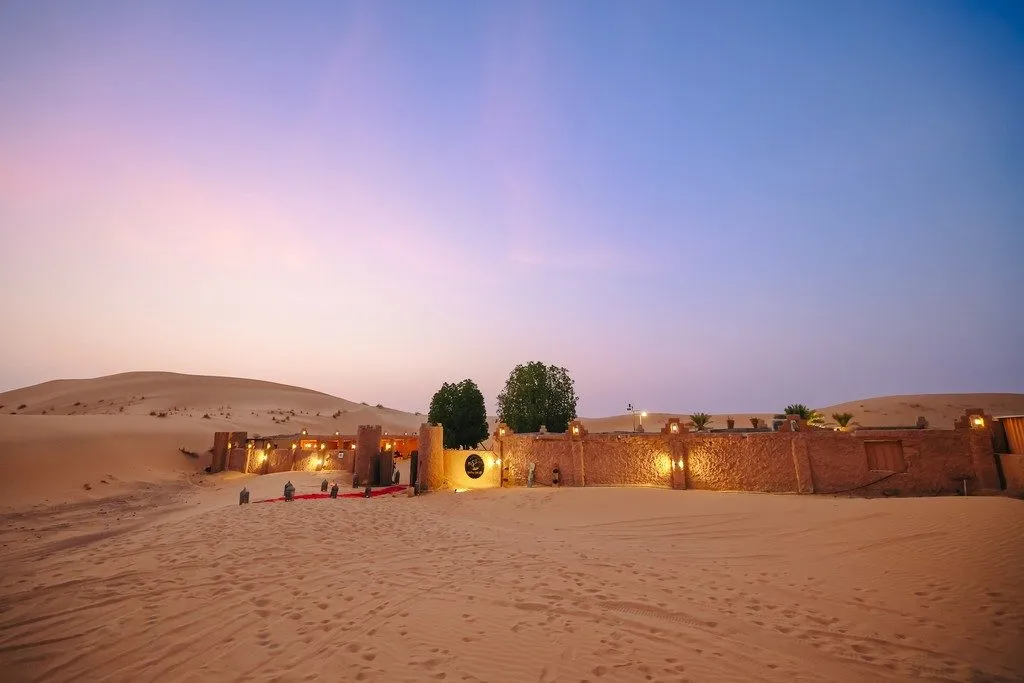
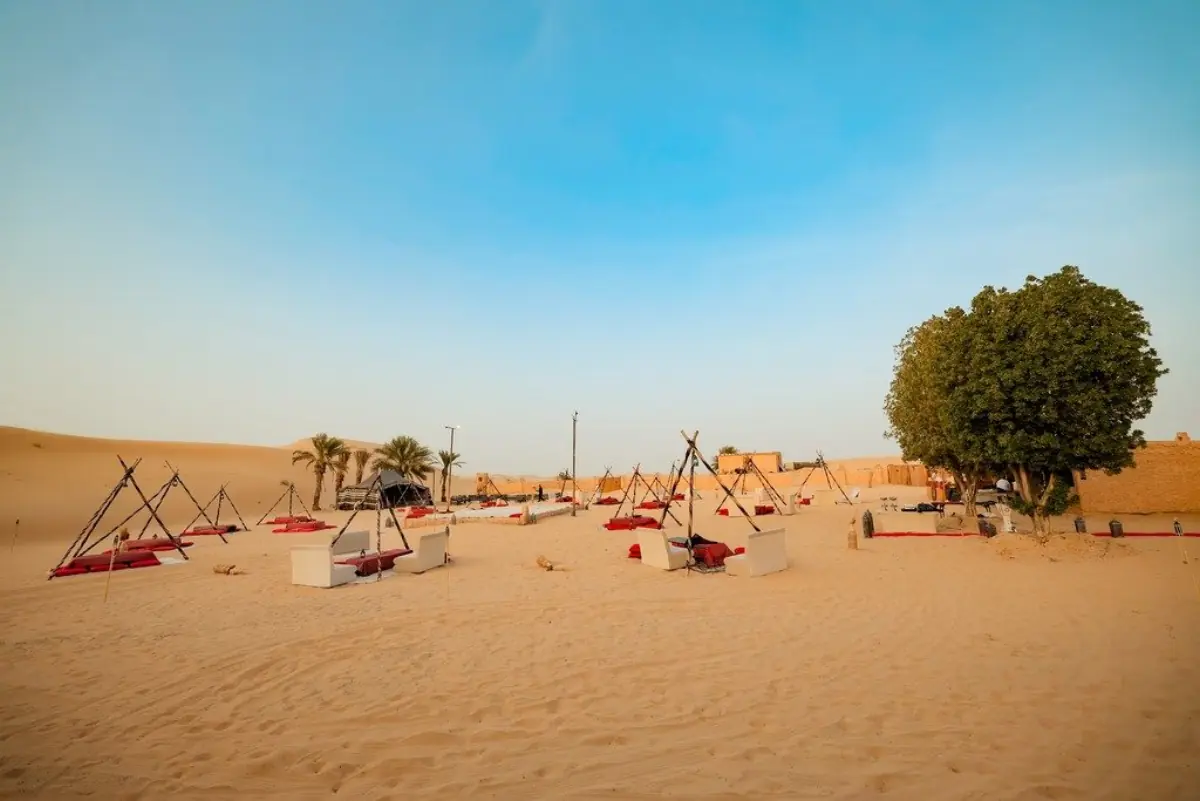
Operating from a camp the organiser owns or holds a standing lease on is the simplest case, the site permits already exist and no third-party landowner sits in the approval chain. Our own bookings run from Khayal Al Sahra at Al Khatim for exactly this reason: it removes the single most common source of last-minute refusal.
Where a booking runs on leased or third-party land, expect a written no-objection letter from the landowner before any structure over about two metres goes up. In Dubai's desert conservation belt near Al Qudra and Lahbab, that sits alongside a Dubai Municipality site access permit.
Amplified sound
Any event with a sound system beyond background level needs a municipality notification, and the binding constraint is usually the cut-off time rather than the volume. Late-running amplified sound is the most frequently breached condition at desert events, and it is worth building your run sheet around the cut-off rather than hoping.
Practically: agree the sound cut-off before you finalise the timeline, not after. Moving a first dance is easy in planning and painful at 11pm.
Drone, filming and media
This is the approval most often missed. A guest with a consumer drone is not covered by your event permit, and a hired videographer planning aerials needs a specific filming notice. Branded activations and anything intended for commercial broadcast raise the bar again, in Dubai that means a separate Dubai Development Authority filming and events notice.
If aerial footage matters to you, flag it at the briefing stage. Retrofitting a drone approval into a schedule two weeks out is sometimes impossible.
Liability cover and medical provision
Public liability insurance should be in place for any event with guests on site, and corporate clients will almost always ask to see the certificate as part of their own vendor onboarding. For team-building programmes involving dune activity, camel interaction or fire performance, an on-site medic and a written risk assessment are the standard, not an upgrade.
A supplier who cannot produce an insurance certificate and a risk assessment on request is a supplier your procurement team will eventually reject anyway.
Food safety and catering
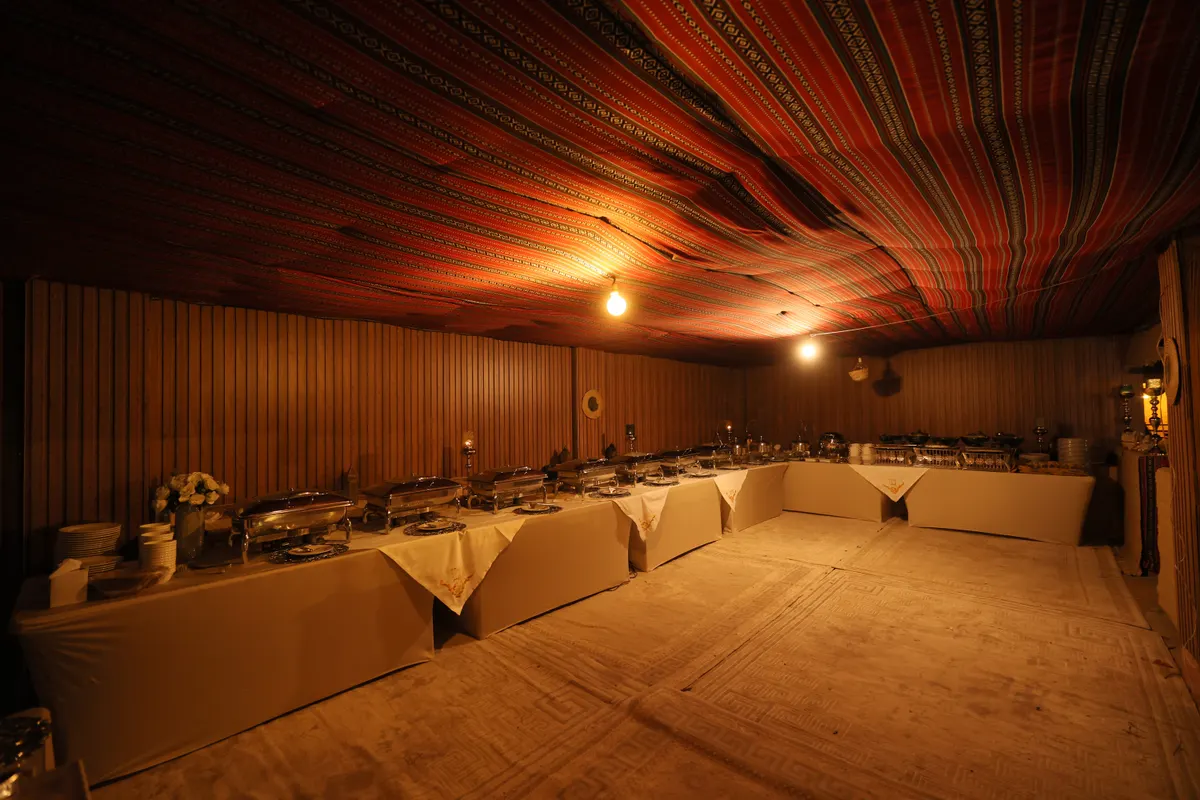
Catering in a remote location carries its own requirements, approved kitchen sourcing, cold-chain handling across the drive, and safe holding temperatures on site. Halal compliance is standard. Ask where the food is produced and how it travels; a caterer without a credible answer for the transport leg is a genuine risk in desert heat.
Realistic lead times
- Site access on an owned or leased camp: already held; no client-side lead time.
- Third-party land no-objection: allow two to three weeks, longer over public holidays.
- Amplified sound notification: typically filed one to two weeks ahead.
- Drone and filming approvals: the long pole, start three to four weeks out.
- Insurance certificates: issued on booking confirmation.
Those windows are why a booking made four days out is constrained in what it can include, even when the site itself is free. If you are trying to work backwards from an event date to a realistic booking date, our guide on how far in advance to book a desert event in Abu Dhabi pulls these permit and crew lead times into a single timeline.
What to ask your organiser
Three questions separate a production office from a middleman. Which permits does this event require and who files each one? Can I see the public liability certificate and the risk assessment? What is the amplified sound cut-off at this site, and is the run sheet built around it? Clear, specific answers to all three mean the approvals are genuinely handled.
FAQs
Do I need a permit for a small private desert dinner?
For a small gathering on a permitted camp, the site approvals are already held by the operator. You would still need the sound notification if you are amplifying music, and a drone approval if you want aerial footage.
Can we bring our own drone?
Not without it being covered by an approval filed in advance. Tell your organiser at the briefing stage and it is usually straightforward; turn up with one on the night and it is not.
Who is responsible if a permit is missing?
Contractually this should sit with the event organiser, and it should say so in writing. If a supplier is pushing permit responsibility back to you as the client, understand that you are also taking on the liability.
Does a corporate client need anything extra?
Usually vendor documentation rather than additional permits, insurance certificates, risk assessments, sometimes trade licence copies for procurement onboarding. Ask for the pack early; it is routine to produce but slow to chase.
Related guides

Tabassum founded Sparkling Sandset in 2012 and has run the Al Khatim camp through more than 500 private weddings, celebrations and cultural events since. She writes about the celebration and hospitality side of the business: weddings, birthdays, cultural programming and what it actually takes to host a private desert night well.