
The Best Time of Year for a Desert Event in the UAE, Month by Month
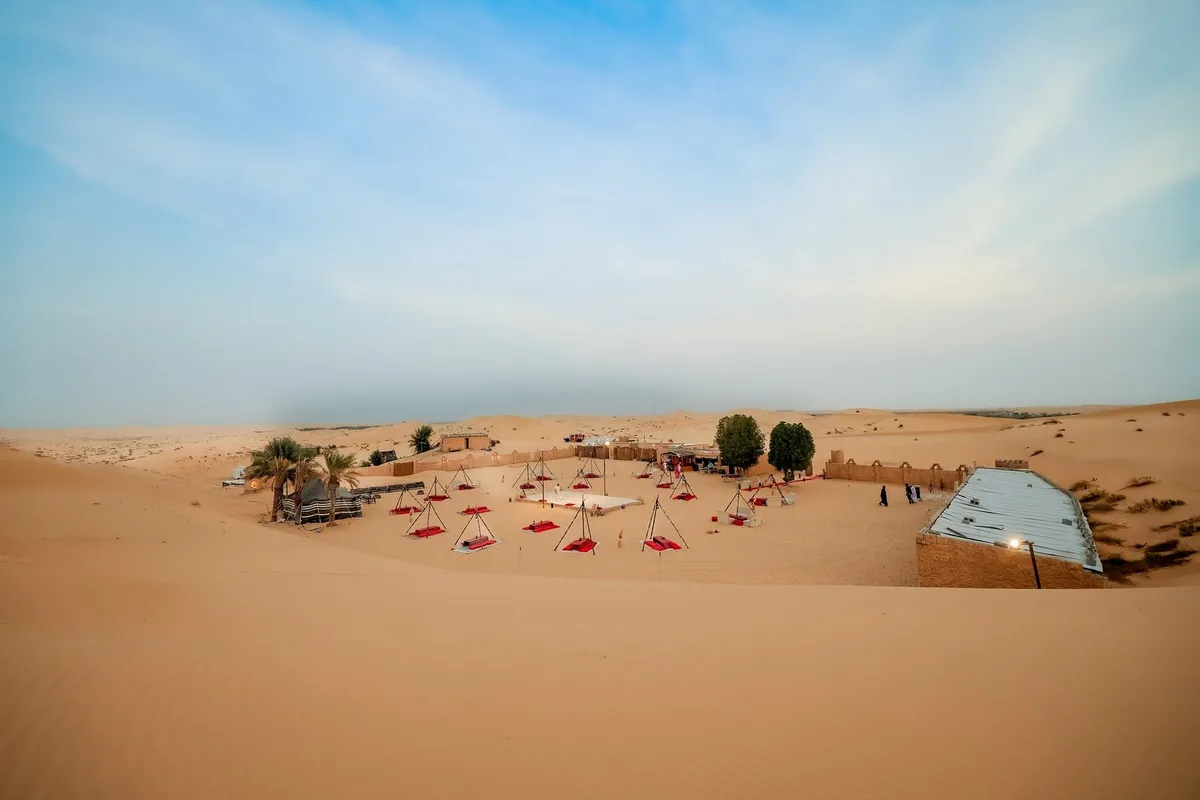
"When is the best time for a desert event?" has a lazy answer and a useful one. The lazy answer is October to April. The useful answer depends on whether you are optimising for comfort, for cost, for daylight, or for availability, because those four rarely point at the same month.
November to February: the comfortable window
This is peak season, and it earns the name. Daytime conditions are pleasant enough for a full afternoon programme, evenings are genuinely cool, and you can run an outdoor agenda from arrival through to a late finish without fighting the climate. Sunsets are reliable and the light is excellent for photography.
The trade-offs are availability and price. Saturdays go first, sometimes months ahead. Peak-season weekend dates carry the highest rates of the year. And the cooler months bring the one weather risk worth planning for: after heavy winter rain, softer desert corridors can become unsuitable for vehicle access, which is why we check ground conditions two days ahead in this window and hold an alternative site.
December adds UAE National Day at the start of the month, a genuine surge in corporate and community demand for heritage-themed evenings. If you want an early-December date for anything else, book unusually early. For teams planning around it specifically, see our UAE National Day 2026 corporate celebration ideas.
October and March to April: the value window
The shoulder months are the planner's sweet spot and are consistently under-used. Conditions are still very workable, warm afternoons, comfortable evenings, but availability is broader and pricing is softer than the peak weekends. For a corporate offsite that does not need a specific date, this is where the budget goes furthest.
Late April starts to warm noticeably in the afternoon, so by then we would push the agenda later and start proceedings closer to golden hour.
May to September: the summer question
Summer desert events have a reputation problem, and it is half deserved. A summer event planned like a winter event will be uncomfortable. A summer event planned as a summer event works well, and the pricing and availability are the best of the year.
What changes:
- Timings move. Evening starts, typically arrival around sunset. No midday programme.
- Cover becomes structural. More shade, more tented area, and cooling as part of the build rather than an afterthought.
- Hydration is designed in. Cold towels on arrival, water points throughout, and a shaded rest majlis that people actually want to sit in.
- The agenda tightens. Shorter, denser programmes read as considered rather than rushed.
Handled that way, a June evening under a tented majlis with the sand cooling and the light going gold is a genuinely lovely thing, and you will have the desert almost entirely to yourself.
Ramadan and the calendar dates that move
Ramadan shifts about eleven days earlier each year, so it drifts through the seasons. During Ramadan the whole format changes rather than pausing, Iftar gatherings and evening Suhoor programmes are a large part of what we run, with the timeline built around sunset. Corporate entertainment and amplified music are generally not appropriate; hospitality, hosting and cultural programming very much are.
Eid immediately afterwards is one of the busiest periods of the year for family and private celebrations. Both need earlier booking than their season would suggest.
Choosing by what you care about
- Comfort above all: December to February.
- Best value: October, late March, April, or a summer evening if the format suits.
- Photography and film: the cooler months, for stable light and the option of a golden-hour daytime shoot.
- Large corporate groups: October to March, midweek. Weekday peak-season dates combine good conditions with sane pricing.
- Heritage and National Day programming: late November into early December, booked well ahead.
A note on booking lead time
Season affects how far ahead you need to commit more than it affects whether a date is possible. Two weeks is workable for a small gathering in a quiet month. A large corporate programme on a peak-season Saturday needs months. The binding constraint is usually crew and performers rather than the site itself. Our guide on how far in advance to book a desert event in Abu Dhabi breaks this down by event type.
FAQs
Is it too hot for a desert event in summer?
Not for an evening format built for the conditions. It is too hot for a midday programme, which is why we do not run one between May and September.
What happens if it rains?
Rain is uncommon and usually brief. The practical impact is ground conditions rather than the event itself, we check access two days out and can move to an alternative site. The tented contingency covers the agenda.
Which month has the best sunsets?
The cooler months give the most reliable clear evenings. That said, the light in the shoulder months, particularly late March, is excellent and less contested.
Can you host events during Ramadan?
Yes, Iftar and Suhoor programmes are a significant part of our calendar. The format is built around sunset and around hospitality rather than entertainment.
Related guides
Tabassum founded Sparkling Sandset in 2012 and has run the Al Khatim camp through more than 500 private weddings, celebrations and cultural events since. She writes about the celebration and hospitality side of the business: weddings, birthdays, cultural programming and what it actually takes to host a private desert night well.