
Abu Dhabi's Winter Corporate Event Season: Why November to March Books Out Fast
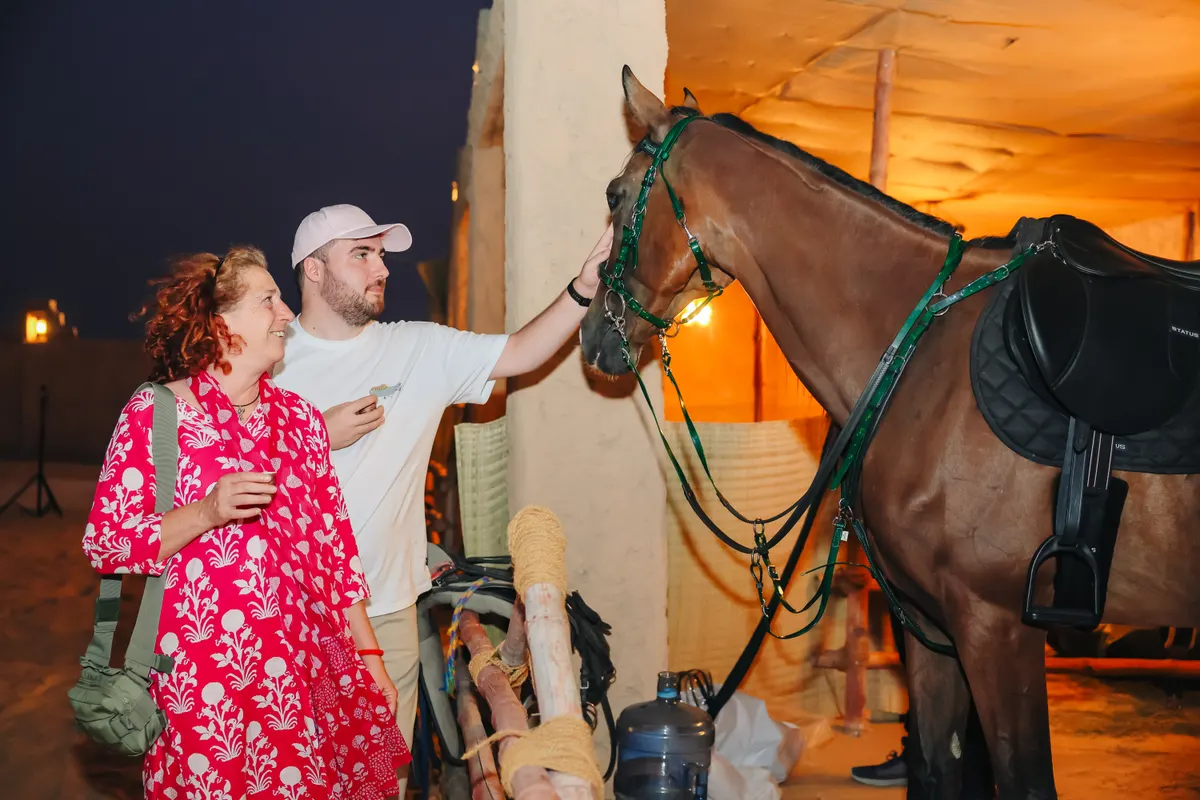
For a general audience, "when is the best time for a desert event" is a broad question with a broad answer, covered well in our month-by-month guide to the best time of year for a desert event. For a corporate planner specifically, the question is narrower and more urgent: how early do we need to move to get a good date in the window every other company also wants, and what does that window actually buy us. This piece answers that version of the question.
Why November to March is different for corporate bookings
Every company running a gala, an incentive programme, an offsite or a team day wants the same conditions: comfortable daytime temperatures, reliable evenings, and good light for photography. That is not a coincidence of individual preference, it is the entire corporate calendar converging on the same five months, which is exactly why the good dates disappear first.
Unlike a private celebration, corporate events are also constrained by the working week. Most companies want a weekday for an offsite, so it does not eat into staff weekends, but a weekend for a gala or awards night. That splits demand into two narrow bands rather than spreading it across the season, and both bands fill from the top down: the best Thursdays and Saturdays in December and January go first, sometimes months ahead.
What actually books out, and in what order
- Peak-season Saturdays in December and January. The first to go. If your gala or awards night needs a specific Saturday in this window, treat six months as the realistic planning horizon, not a cushion.
- The week around UAE National Day, late November into early December. Compressed further by heritage-themed demand on top of the usual corporate calendar. See our guide to National Day corporate celebration ideas if that week is your target.
- Large-group weekday offsites in February and March. Slightly more flexible than weekend galas, but facilitators, coaches and catering crew for large groups still book up well ahead across this stretch.
- Ordinary weekday sessions in October and April. The shoulder months either side of peak, still workable and considerably easier to secure on shorter notice.
Lead times, stated plainly
| Event type | Realistic lead time in peak season |
|---|---|
| Gala or awards dinner, peak Saturday | Four to six weeks minimum, eight to twelve for a strong date |
| Incentive travel programme | Six months, particularly for groups above 150 |
| Team building or offsite, weekday | Four to six weeks, longer above 150 participants |
| National Day week booking | Early October at the latest |
The constraint across all of these is rarely the site itself. It is facilitators, performers, service crew and coaches, all of whom are being booked by every other company chasing the same window. A provider that can hold your date does not necessarily have the crew to deliver it well; ask specifically who is confirmed, not just whether the date is available.
What the season offers a corporate planner specifically
Beyond comfortable weather, the November to March window gives corporate events three things a summer date cannot:
- A full working agenda without a clock running against you. Midday sessions, afternoon activities and an evening programme can all sit in a single day without shifting everything to the hours around sunset, which matters for offsites with real content to cover.
- Reliable photography and filming conditions. Stable light across most of the day rather than a narrow golden-hour window, useful for any event with a marketing or internal-comms output attached.
- A calendar that aligns with the rest of the corporate year. Year-end reviews, National Day, and the run-up to Q1 planning all land in this window, which is part of why demand concentrates here in the first place.
The trade-off is cost as much as availability. Peak-season weekend rates run higher than shoulder-month pricing, and a large corporate booking should budget accordingly rather than being surprised by it at quoting stage. For a group with a flexible date, our guide to choosing an offsite venue and our piece on structuring an incentive travel programme both cover how shoulder-month timing can stretch a budget further without giving up much on conditions.
A practical rule for planners
If your date is fixed, weeks matter and every one spent deciding on the theme before confirming the date is a week closer to losing the slot you want. If your date is flexible, the shoulder months either side of peak, October and late March into April, get you nearly identical conditions with considerably more room to negotiate on crew and pricing.
FAQs
Why does the winter season book out so much faster than summer?
Every corporate planner wants the same comfortable conditions and good light, which concentrates demand into five months instead of spreading it across the year. Weekday offsite demand and weekend gala demand both peak in the same window.
How far ahead should we book a gala for a December or January Saturday?
Six months is a realistic horizon for a strong Saturday date. Eight weeks is an absolute minimum, and even that is tight for the busiest weekends.
Is the site itself ever the constraint, or is it something else?
Usually something else. Facilitators, performers and service crew are the more common bottleneck in peak season, so ask a provider specifically what crew is confirmed for your date rather than only whether the date is free.
Are shoulder months a reasonable alternative to peak season?
Yes. October and late March into April offer very similar conditions to the peak window with considerably more availability and softer pricing, and are worth considering for any event without a fixed date.
Related guides


Younus leads corporate and MICE delivery at Sparkling Sandset, including team-building programmes, incentive groups and DMC partnerships across Abu Dhabi and the wider UAE. He writes about the operational side of corporate events: venue selection, group logistics, facilitation and what changes when the guest list is a client's, not a family's.