
Emirati Cultural Experiences Worth Building Into an Event
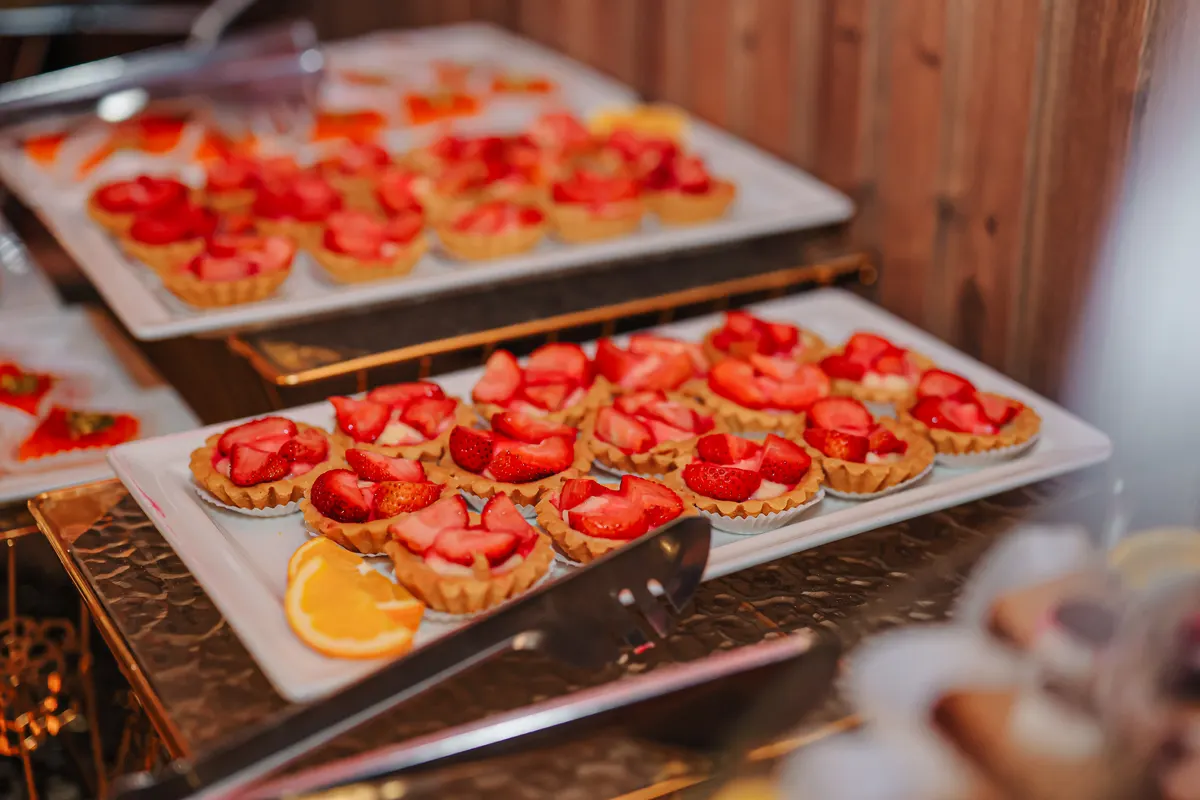
Most cultural programming at UAE events is a performance dropped into an evening with no context. Guests watch, applaud politely, and could not tell you afterwards what they saw. The fix costs nothing: someone explains it.
Twenty seconds of context turns a dance into something a guest remembers and repeats. Here is what is worth programming and what each thing actually is.
Ayyala
The Emirati and Omani line dance performed with thin bamboo canes, recognised by UNESCO. Two rows of men face each other in a stylised representation of a battle, moving in unison to drums, with the canes raised and lowered in waves.
It is genuinely impressive at scale, and it is the most emblematic thing you can put in front of an international audience. Wants space and a firm surface.
Yowla
Often performed alongside Ayyala. A soloist spins and throws a replica rifle, catching it in time with the drums. Visually spectacular and best presented as the technical showpiece it is.
Tanoura
Egyptian rather than Emirati in origin, and worth saying so rather than presenting it as local. A dancer spins continuously in a weighted, illuminated skirt. Mesmerising after dark and consistently the most photographed element of an evening.
Oud and qanun
The right choice for arrival and dinner, when a loud act would prevent conversation. A skilled oud player under a lit majlis while guests settle does more for the atmosphere of an evening than any amount of production.
Majlis hospitality
Not a performance at all, and arguably the most important element. Arabic coffee poured from a dallah into small finjan cups, dates offered, floor seating with cushions and rugs.
The etiquette is the interesting part: the small pour, the shake of the cup to signal you have had enough, serving with the right hand. Ten minutes of explanation turns refreshment into an experience, and it is the cheapest thing on this list. Our fuller guide to Emirati hospitality traditions for business hosts goes deeper into this etiquette for anyone hosting formally.
Food as culture
Live chebab on a griddle is the highest-return item we programme. The smell reaches the whole site, a queue forms, and people who would not attend an organised activity turn up for it. Harees, machboos and luqaimat do similar work. Watching food being made beats reading about it on a menu card. For formats beyond the standard live station, our guide to unique private dining in Abu Dhabi covers other ways to build a meal into the story of an event.
Programming it respectfully
- Explain what people are watching. Non-negotiable, and almost always skipped.
- Book real practitioners. Troupes who perform this culturally, not entertainers with a costume.
- Do not stack acts. Three well-spaced pieces beat six back to back.
- Be accurate about origin. Tanoura is Egyptian; saying so builds credibility rather than undermining it.
- Consider the audience. Long-term residents have seen the standard programme; visitors have not.
FAQs
Which works best for international guests?
Ayyala for spectacle, majlis hospitality for connection, live cooking for informality. Together they cover the range.
Can cultural programming run at an office?
Yes. Majlis corners, coffee stations and live chebab travel easily. Amplified performance needs space and a sound permit.
Is it appropriate during Ramadan?
Hospitality and cultural context very much so; amplified entertainment generally not. Iftar and Suhoor programmes are a large part of what we run.
How far ahead should we book performers?
Four weeks and more, considerably longer around National Day when troupes are booked solid.
Related guides
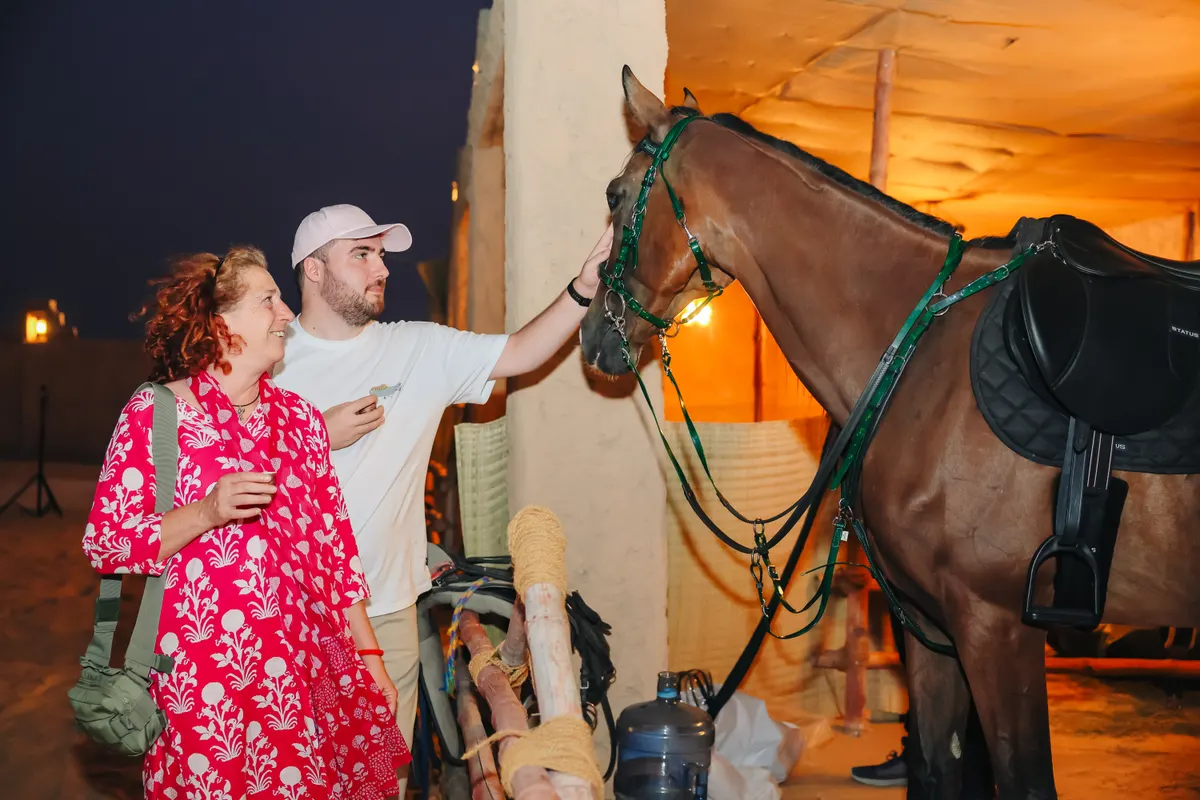
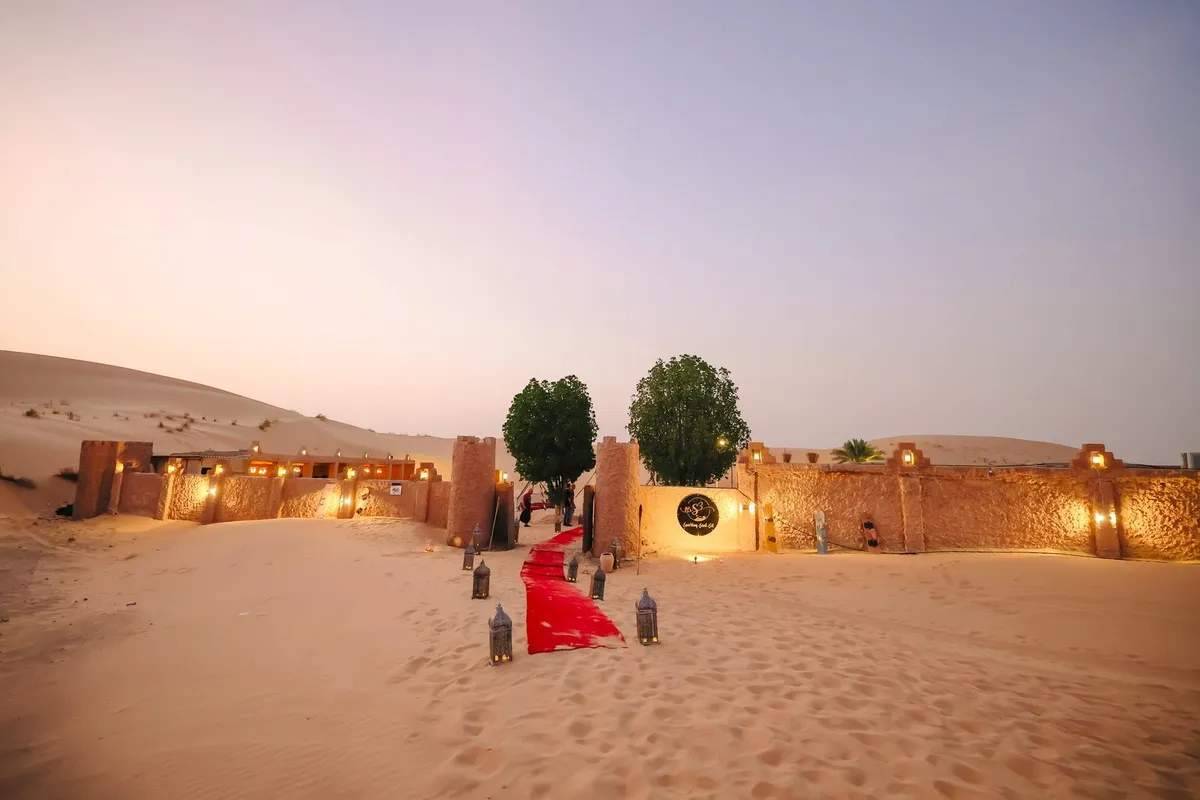
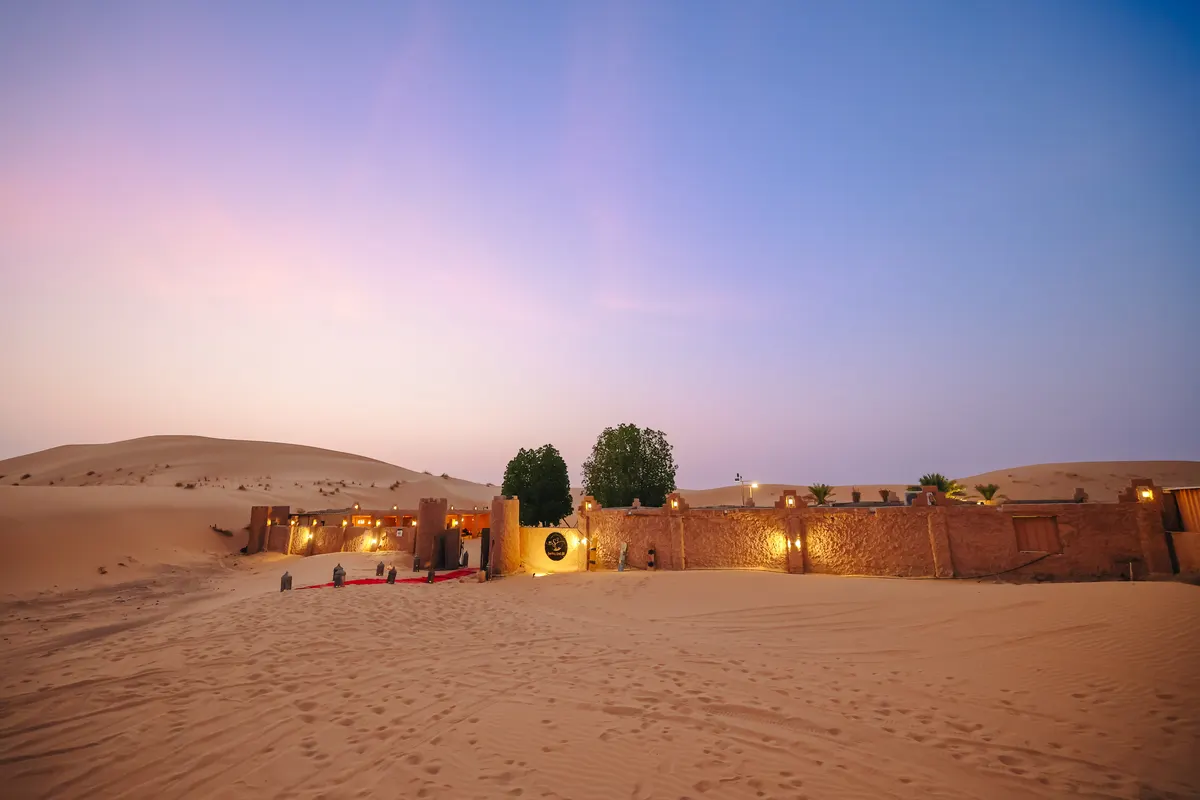
Tabassum founded Sparkling Sandset in 2012 and has run the Al Khatim camp through more than 500 private weddings, celebrations and cultural events since. She writes about the celebration and hospitality side of the business: weddings, birthdays, cultural programming and what it actually takes to host a private desert night well.