
Emirati Hospitality Traditions: A Guide for Business Hosts
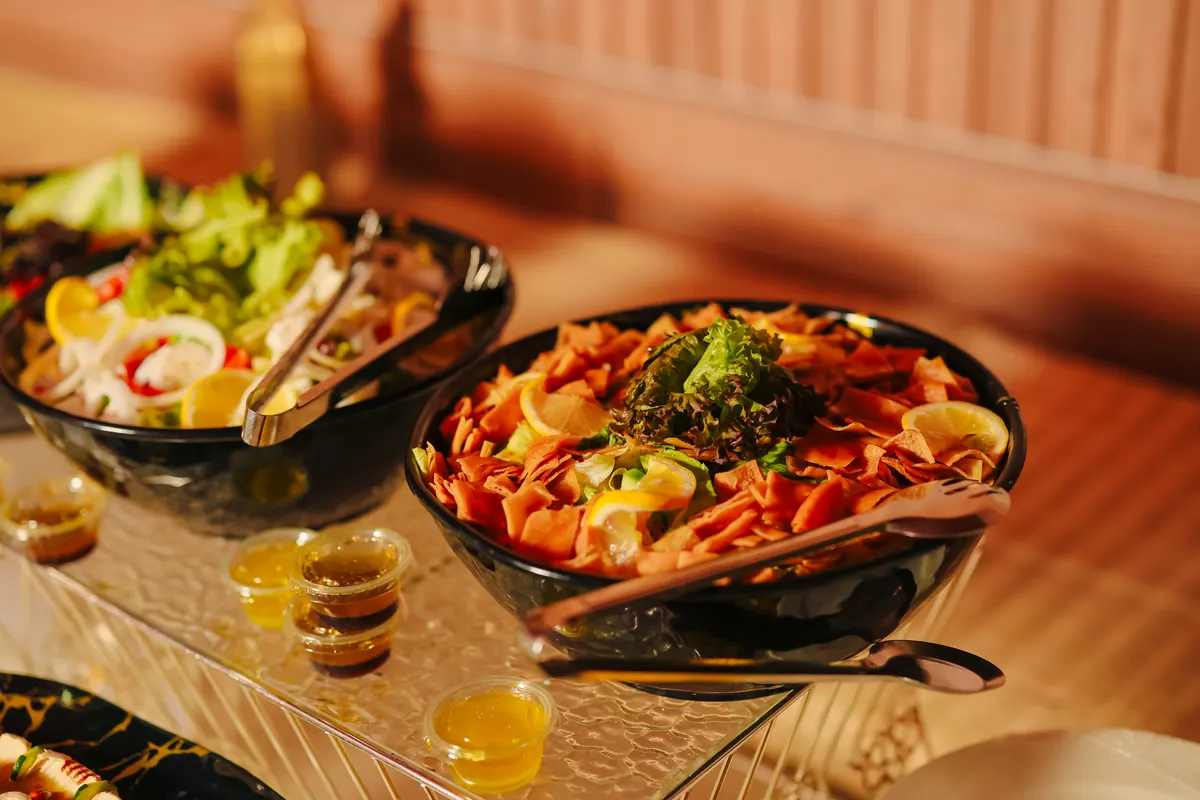
Emirati hospitality is built on a small set of customs that are centuries old and still practised daily, not a costume department version wheeled out for tourists. For a company or event planner hosting guests in the UAE, whether international clients, delegations or staff, understanding these customs and using them properly is the difference between a gesture that lands and one that reads as decoration.
Majlis culture: the foundation
The majlis, literally "a place of sitting", is the traditional space where guests are received, business is discussed and hospitality is offered. Low seating around the edges of a room or tent, everyone roughly at eye level, no head of table in the Western sense. It is a physical expression of an idea that runs through Emirati hospitality generally: a guest is received as an equal and made comfortable before anything else happens.
For a business host, the lesson translates even without a literal majlis: seat guests so no one is positioned as subordinate, let hospitality happen before the agenda starts rather than alongside it, and don't rush a guest straight into business. A few minutes of unhurried welcome is not wasted time in this context, it is the expected opening.
Arabic coffee and dates: the core ritual
Gahwa, Arabic coffee, is lightly roasted, flavoured with cardamom and sometimes saffron, and served from a long-spouted brass or copper pot called a dallah into small handleless cups called finjan. It is poured in small amounts, refilled without asking, and always offered before or alongside dates rather than after a meal.
The etiquette matters more than the drink itself:
- Accept with the right hand, or both hands together. The left hand alone is considered impolite.
- Expect small pours. A full cup is not the goal; refills are frequent and small by design.
- Signal you're finished by gently shaking the cup side to side when handing it back. This is the customary way to decline a refill without saying so directly.
- Dates come first or alongside, not as dessert. Offering them before coffee, or together, is standard.
For a business host arranging this for international guests, a short explanation before service, even thirty seconds, turns a drink into something guests remember and ask about. Skipping the context is the single most common way this tradition gets flattened into "coffee was served" rather than an actual welcome.
Welcome customs beyond coffee
A few other customs are worth knowing if you're hosting Emirati guests or want to host others in an Emirati style:
- Right hand for everything. Giving, receiving, eating. Consistent with the coffee etiquette above and worth briefing staff on if they're serving.
- Unhurried greetings. A rushed handshake and straight into an agenda reads as abrupt. Time for a proper greeting is built into how meetings are expected to open.
- Generosity is not optional politeness, it is the point. A host who offers too little is noticed more than one who offers slightly too much. When in doubt, err toward more hospitality rather than less.
- Modesty in dress for hosts and staff, particularly for anyone directly serving guests, is expected and appreciated even where not strictly required.
What business hosts get wrong
The most common mistake is treating these customs as decoration rather than substance, a dallah placed on a table as a prop with no one actually pouring from it, or coffee served in a rush between agenda items rather than as the opening act it's meant to be. Guests, particularly Emirati or wider Gulf guests, notice this immediately, and it reads as a company that did the research on the aesthetics without understanding the practice.
The second mistake is over-formalising it. These are warm, unhurried customs, not a ceremony with rigid choreography. A host who is stiff or overly rehearsed about "getting it right" misses the point as much as one who skips it entirely. The goal is genuine warmth delivered with a light touch, not a script.
Bringing this into corporate hosting
Companies hosting delegations, client dinners or investor visits in the UAE increasingly want more than a coffee station with a sign, they want the tradition presented properly, with someone who can explain the dallah, the pour and the etiquette as it happens. That is the difference between hospitality as backdrop and hospitality as content: guests leave having learned something rather than having simply been served something.
For a multinational delegation with guests who have never encountered these customs, this doubles as a genuinely useful cultural briefing delivered informally, guests arrive at their next meeting in the UAE having already been shown, rather than told, how local hospitality etiquette works. For Emirati or Gulf guests, doing it properly signals that the host has invested real thought in the visit rather than defaulting to a generic international business format.
Done well, this pairs naturally with a wider Emirati cultural programme rather than standing alone. Our guide to Emirati cultural experiences worth building into an event covers how majlis hospitality sits alongside music, food and performance at a full event, and if performance is part of the brief, our guide to booking cultural performances goes through the options. For corporate hosts specifically, our corporate events page covers how we build this into client dinners, offsites and delegation visits, and it can run in the desert, at a hotel, or at your own office with the right setup.
FAQs
Can Arabic coffee service work at an office or hotel, not just the desert?
Yes. A majlis corner and coffee station travel easily to almost any venue. The desert setting adds atmosphere but isn't required for the tradition to land properly.
Is it appropriate to serve alcohol alongside Arabic coffee and dates at a corporate event?
The two are usually kept separate in timing, with coffee and dates as a welcome ritual before or apart from any bar service, rather than served together.
How many staff do we need to run this properly for a large group?
It scales with a rotation of servers pouring continuously rather than one station for everyone, since the small-pour, frequent-refill style doesn't work well as a self-serve setup.
Do guests need to know the etiquette in advance?
No, and they shouldn't need to. A brief explanation from whoever is serving, delivered naturally as the coffee is poured, is the better approach than a handout beforehand.
Related guides
Tabassum founded Sparkling Sandset in 2012 and has run the Al Khatim camp through more than 500 private weddings, celebrations and cultural events since. She writes about the celebration and hospitality side of the business: weddings, birthdays, cultural programming and what it actually takes to host a private desert night well.