
Team Building in the Abu Dhabi Desert: 10 Activities That Actually Work
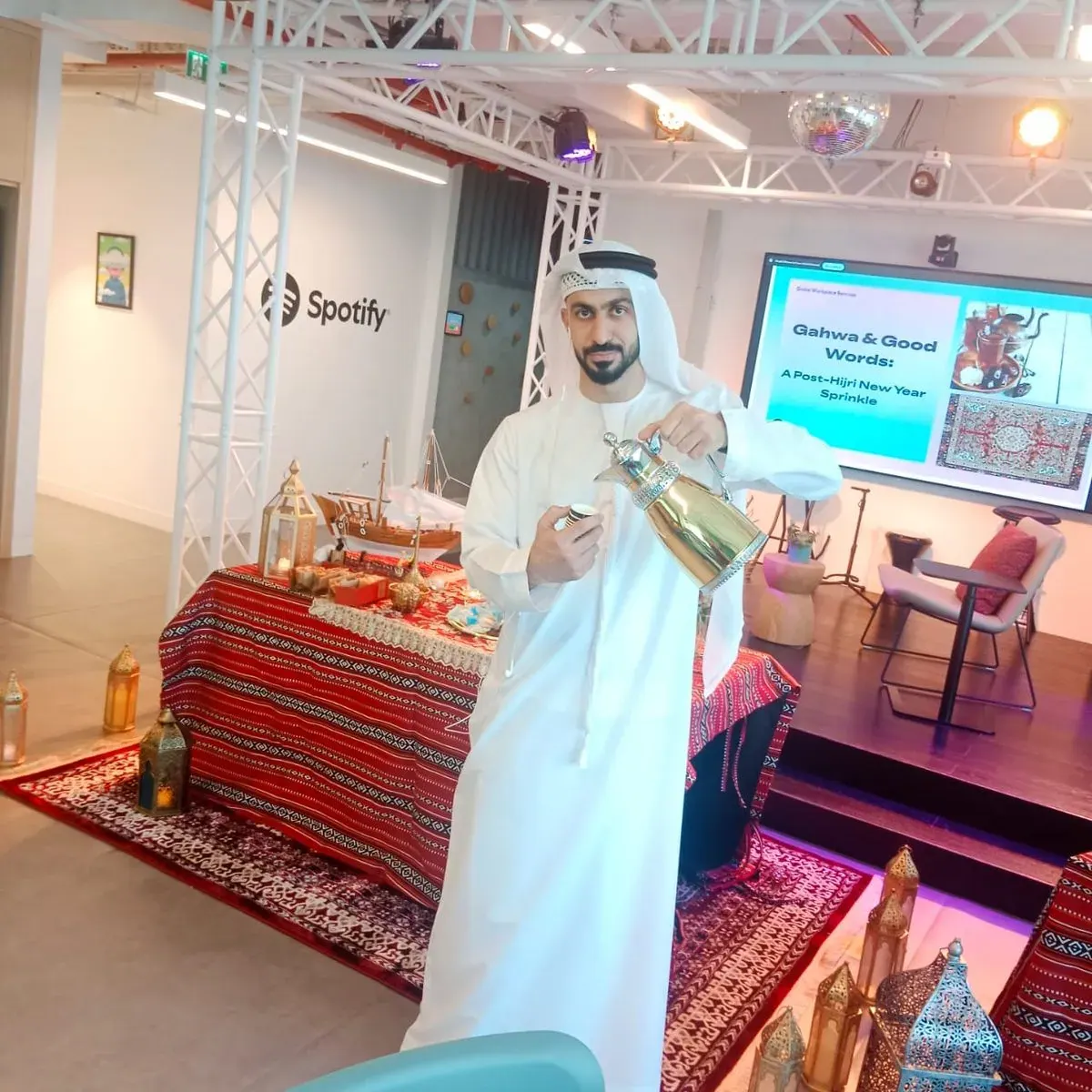
A great deal of what is sold as desert team building is a coach transfer, a camel photo opportunity and a buffet. People enjoy it. Nobody learns anything, and the HR lead who commissioned it cannot report an outcome.
The difference between an outing and a team-building programme is whether there is an objective, a structure and a debrief. Below are the formats we run that stand up to that test, with honest notes on who each one suits.
1. The dune navigation challenge
Teams of 5-8 · 90 minutes · moderate physical demand
Teams receive a compass bearing, a simple map and a set of checkpoints across the dune belt. No phones. Progress depends almost entirely on whether the group agrees a method before setting off or argues its way across the sand.
Good for: decision-making under ambiguity, and surfacing who actually leads when no title applies. This one produces the richest debrief of anything we run.
2. Bedouin shelter build
Teams of 6-10 · 60 minutes · low-moderate
Each team gets poles, rope and canvas, and a demonstration of traditional construction. They then build a structure that has to withstand a genuine wind test at the end.
Good for: planning versus doing. Teams that rush the setup fail the wind test, which is an unusually literal metaphor and lands well without anyone needing to labour the point.
3. Falconry handling
Any size, rotating in small groups · 45 minutes · low
Working with a licensed falconer and the birds directly. Genuinely memorable, culturally grounded and accessible to everyone regardless of fitness.
Good for: a shared high point rather than a skills exercise. Excellent for mixed-seniority groups where a physical challenge would exclude people.
4. The sand relay
Teams of 8-12 · 45 minutes · high
A timed multi-stage relay across soft sand. Straightforward, competitive, loud.
Good for: energy after a long session indoors. Not good for: mixed-fitness groups without a genuine non-running role built in, which we always do.
5. Emirati cooking stations
Teams of 4-6 · 75 minutes · low
Teams learn and then produce a dish, chebab, harees, luqaimat, under a chef's guidance, and the results become part of dinner.
Good for: cross-department mixing. Food dissolves hierarchy faster than any facilitated exercise, and quieter team members contribute readily.
6. The trading game
4-6 teams · 90 minutes · low
Teams are given unequal resources and must negotiate across a marketplace to complete an objective none can finish alone. Built on traditional souk trading.
Good for: negotiation, and the uncomfortable and productive conversation about how teams behave when they start from unequal positions.
7. Archery and traditional skills
Rotating small groups · 60 minutes · low-moderate
Coached stations with scoring. Calm, focused, and a good counterweight to the higher-energy formats.
Good for: a rotation station alongside something more strenuous, keeping the whole group occupied.
8. The blind convoy
Pairs · 40 minutes · moderate
One partner is blindfolded and guided through a marked course by voice alone, then they swap.
Good for: communication precision and trust. Simple, and consistently the exercise people reference afterwards.
9. Heritage storytelling circle
Whole group · 45 minutes · low
An Emirati storyteller works the majlis, then the format opens up and teams contribute their own. Sounds soft; works remarkably well as a closing session.
Good for: winding a programme down, and for international teams building shared context. If you want to build out a fuller cultural block around this, our roundup of bookable Emirati cultural performances for private events in Abu Dhabi covers what else pairs well with it.
10. The closing awards
Whole group · 30 minutes · low
Scores from the day are consolidated and awards presented properly, on a stage, with the client's leadership handing them over.
Good for: making the day feel like it counted. Skipping this is the most common mistake we see, the programme just stops, and the learning evaporates on the coach home.
What we have stopped recommending
Extended dune bashing as a team activity: it is a passenger experience, several people always feel unwell, and there is nothing to debrief. We are happy to include a short scenic drive as transport, but it is not a team-building exercise and we will not sell it as one.
Building the day
A strong programme runs three or four activities, not eight. Alternate physical and cerebral, keep a shaded rest majlis open throughout, and protect twenty minutes at the end for the debrief and awards. Tell us the objective, a newly merged department, a leadership team that avoids conflict, a sales floor that needs a lift, and the selection follows from it. If part of the goal is simply hosting a visiting team or partner well, our guide to Emirati hospitality traditions for business hosts is worth reading alongside this one.
FAQs
What group sizes do you run?
Twenty to three hundred participants. Above about eighty we run parallel rotations so nobody is standing in a queue.
Do you provide a facilitator?
Yes, a professional facilitator plus activity marshals, and a medic on site. The facilitator runs the framing and the debrief, which is the part that turns activities into a programme.
What about participants who cannot do physical activities?
Every physical format has a genuine non-physical role built in, timing, navigation, strategy, rather than a spectator seat. Tell us in advance and we will structure around it.
Can this run in summer?
Yes, as an evening programme with cooling, shade and a tighter agenda. We would drop the sand relay and lean on the cerebral formats.
Related guides
Younus leads corporate and MICE delivery at Sparkling Sandset, including team-building programmes, incentive groups and DMC partnerships across Abu Dhabi and the wider UAE. He writes about the operational side of corporate events: venue selection, group logistics, facilitation and what changes when the guest list is a client's, not a family's.