
Louvre Abu Dhabi: A Visitor and Group Booking Guide
Louvre Abu Dhabi opened with a distinct premise: rather than a branch museum showing a rotating selection of Paris's collection, it set out to be a universal museum in its own right, telling the story of human creativity across cultures and centuries side by side, rather than organised by geography or civilisation in isolation. Combined with Jean Nouvel's dome, a vast latticed canopy that lets light fall through in a scattered, shifting pattern over the galleries and waterways below, it has become one of Abu Dhabi's defining landmarks in under a decade.
What makes it different
The curatorial approach is the main thing to understand before visiting. Galleries are arranged chronologically and thematically across human history, so a visitor moves through rooms that place, for example, objects from different ancient civilisations together to draw out shared human concerns, rather than walking through one culture's wing and then another's in sequence. It is a deliberately different way of encountering art and artefacts, and it rewards visitors who read the gallery introductions rather than moving straight to the best-known pieces.
The building itself is as much a part of the experience as the collection. The dome's structure creates what is often described as a "rain of light" effect across the museum's plaza and waterways, and it is worth allowing time simply to sit under it, particularly toward the end of the day.
Planning your visit
Set aside a genuine block of time rather than treating it as a quick stop. Two to three hours is a reasonable minimum to see the main galleries properly, with a longer visit needed if you want to add any temporary exhibitions running alongside the permanent collection. As with the other Saadiyat museums, ticketing, opening hours and any current exhibitions change over time, so check the official Louvre Abu Dhabi channels for up-to-date information before booking rather than relying on older listings.
Audio guides are typically available and worth taking; given the museum's cross-cultural curatorial structure, the added context does more work here than at a conventionally organised museum. Photography is generally allowed in most gallery areas, though restrictions can apply to specific temporary exhibitions, so check signage as you go.
Best time to visit
Weekday mornings tend to be quietest. Late afternoon into evening is popular for the light through the dome and for the waterfront setting after dark, when the building is illuminated. If your schedule allows a flexible visit, this is the trade-off worth weighing: quieter galleries earlier, or the more atmospheric setting later.
Group bookings
Louvre Abu Dhabi accommodates group visits, school trips and private tours, generally through a dedicated group booking channel separate from standard ticketing. For any group above a handful of people, contact the museum's group sales team well ahead of your date, confirm current lead times and any group discount structure, and ask specifically about guided tour language options and whether private after-hours access is offered for larger corporate or event groups, since this has been available at times for qualifying bookings.
Getting there
The museum sits on the Saadiyat Island waterfront, a short and well-signed drive from central Abu Dhabi, reachable by taxi, ride-hailing app or private transfer, with visitor parking on site. It sits within reasonable distance of Zayed National Museum and the Natural History Museum Abu Dhabi if you are planning a wider Cultural District day.
Facilities and accessibility
The museum is built to handle large daily visitor numbers comfortably, with wide gallery walkways, seating throughout, a museum shop and dining options overlooking the water. Wheelchair access is generally well provided across the public areas. Families with young children will find the mix of open plaza space and gallery content easier to manage in shorter bursts than one continuous walk-through, and there is no shortage of space outside the galleries to pause.
Combining it with the rest of Saadiyat
Louvre Abu Dhabi is one part of a wider Cultural District that already includes Zayed National Museum and the Natural History Museum Abu Dhabi, with more institutions planned for the island over time. If your visit to Abu Dhabi is built around its museums specifically, it is worth checking which of the district's venues are open on your travel dates and planning a route between them rather than treating Louvre Abu Dhabi as an isolated stop, since the walking distances between venues on Saadiyat are manageable within a single day for a reasonably paced visitor.
After the museum, an evening in the desert
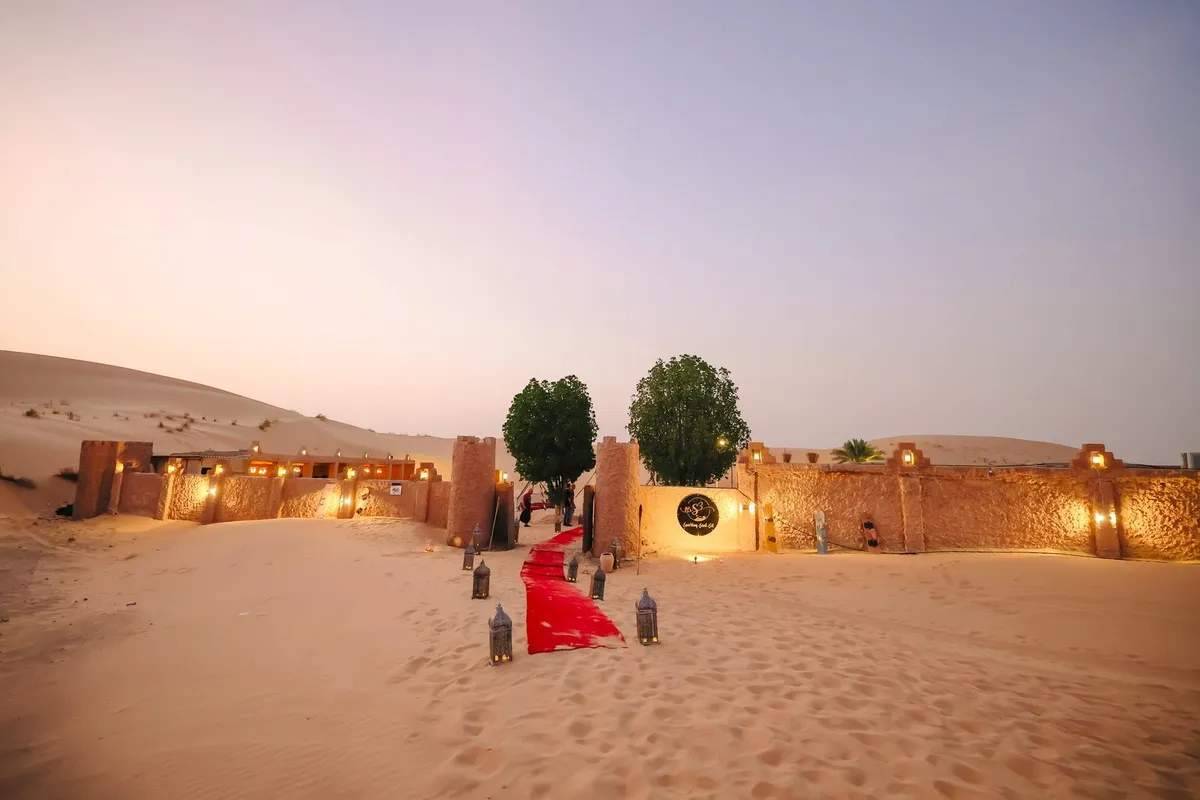
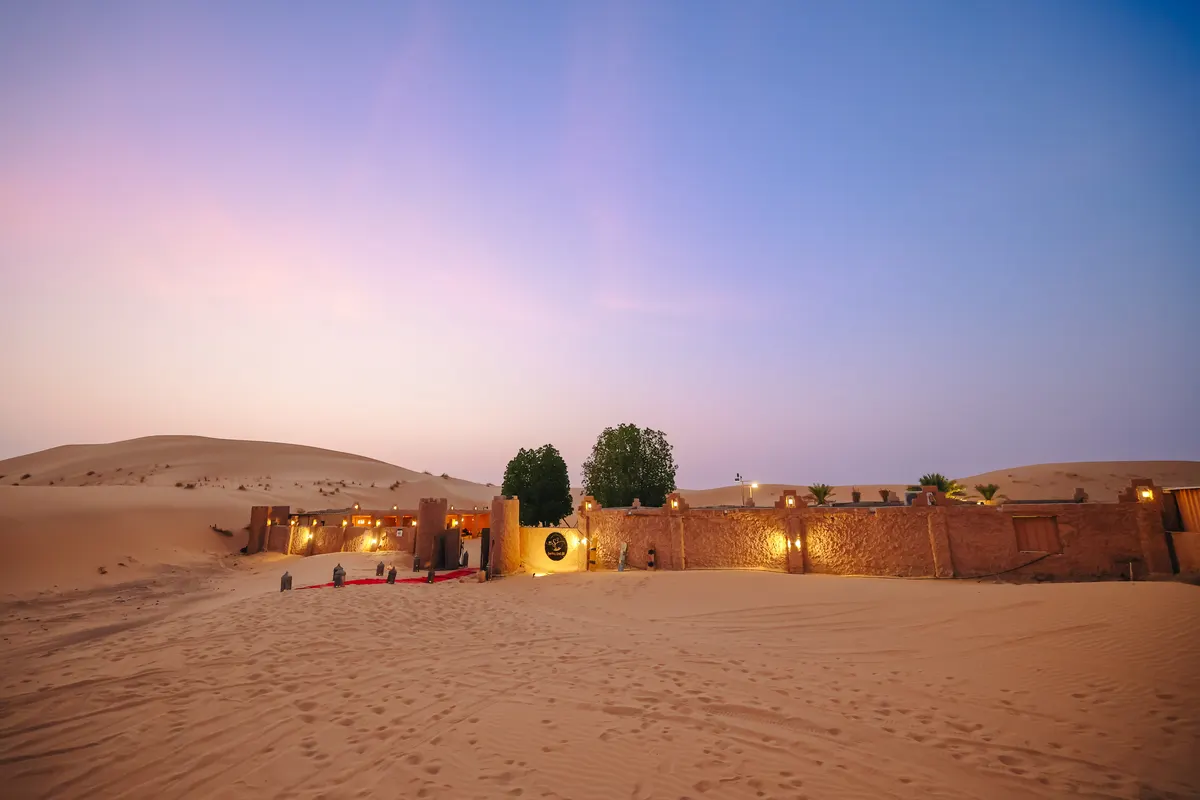
Louvre Abu Dhabi's blend of architecture, art and open waterfront makes for a full and reflective day, and many visitors choose to follow it with something that contrasts entirely: a private evening in the desert, away from galleries and city light. If you are building an Abu Dhabi itinerary around its cultural landmarks, our desert experiences page has more on what a private evening at Al Khatim looks like, and our about page covers Sparkling Sandset's history running desert events near Abu Dhabi since 2012.
FAQs
How long should I plan to spend at Louvre Abu Dhabi?
Two to three hours is a reasonable minimum for the permanent galleries, with more time needed if you want to see any current temporary exhibitions as well.
Is Louvre Abu Dhabi organised the same way as other art museums?
No. It is arranged chronologically and thematically across cultures rather than by civilisation or region, which is a deliberate curatorial choice worth knowing before you visit.
Can I book a group or school visit?
Yes, through the museum's dedicated group booking channel. Contact their group sales team ahead of your date to confirm current arrangements and lead times.
Is photography allowed inside the museum?
Generally yes in most gallery areas, though some temporary exhibitions may restrict it. Check on-site signage, as rules can vary by exhibition.
Related guides
Tabassum founded Sparkling Sandset in 2012 and has run the Al Khatim camp through more than 500 private weddings, celebrations and cultural events since. She writes about the celebration and hospitality side of the business: weddings, birthdays, cultural programming and what it actually takes to host a private desert night well.