Stargazing in the UAE Desert: Where, When and What You Will See
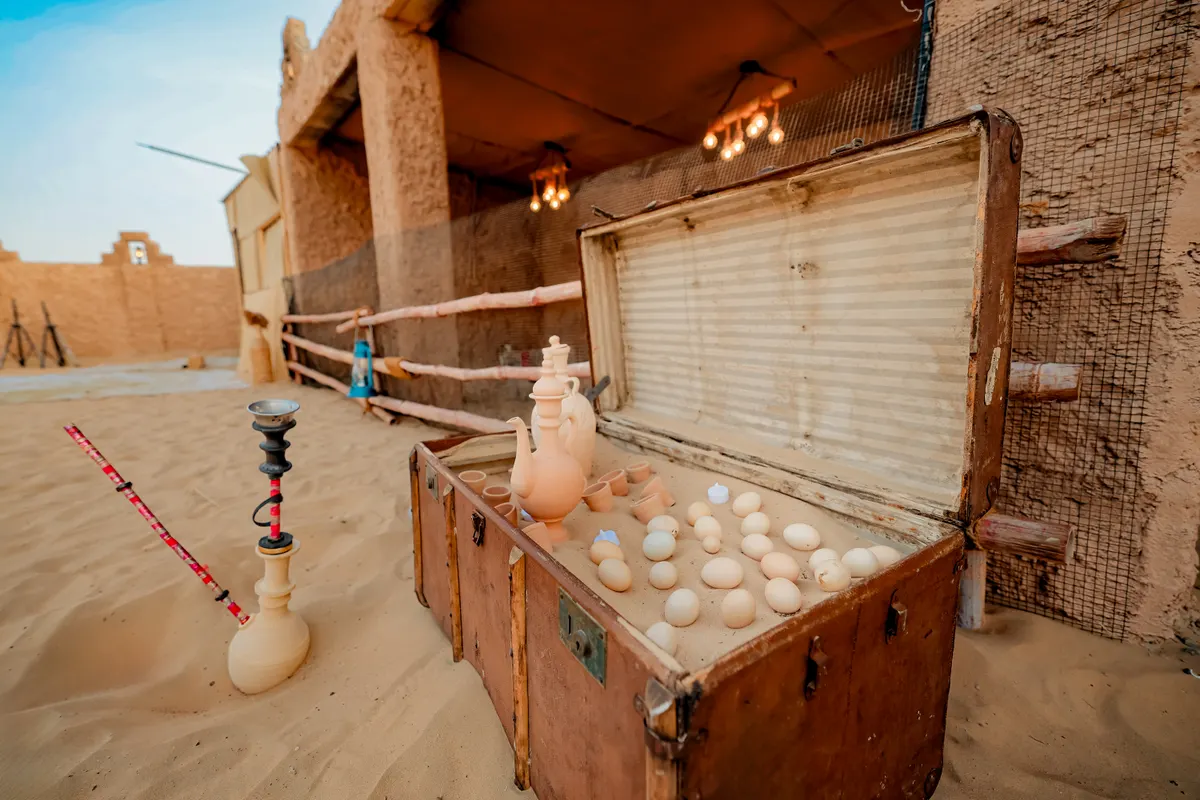
The UAE's cities are bright enough that most residents have never properly seen the night sky. An hour of driving fixes that, and it is the most underrated thing the desert offers.
The single most important variable: the moon
More than location, more than season. A full moon washes out everything faint, you will see the bright stars and nothing else. Plan for the week around new moon and the difference is not subtle, it is the difference between a nice sky and the Milky Way visible to the naked eye.
Almost nobody plans for this, and it is the reason two people can visit the same camp a fortnight apart and describe completely different experiences.
Where
- Liwa. The darkest accessible skies in the country. No settlement of size within a long distance.
- Al Khatim and the Barma North belt. Fifty minutes from Abu Dhabi and dark enough for the Milky Way on a clear moonless night.
- Al Qudra and the Dubai belt. Workable but noticeably washed by Dubai's glow to the north.
- Jebel Hafeet and the Al Ain area. Elevation helps; some light from Al Ain.
This page focuses on where and when. For everything else about the Empty Quarter itself, our Al Wathba and Al Khatim hidden gems guide is a useful companion if Al Khatim is the site you are considering.
When
October to April, for two reasons: comfort, and clearer air. Summer humidity and dust reduce transparency noticeably even when the sky looks clear.
Winter also brings Orion, which is the constellation most people can actually find, plus the brightest part of the winter sky.
What you will see
On a clear, moonless night away from the cities: the Milky Way as a genuine band rather than a smudge, Orion and Sirius in winter, Jupiter and Saturn when they are up, and satellites crossing constantly once your eyes adjust.
That adjustment is the thing people skip. Full dark adaptation takes twenty to thirty minutes, and one glance at a phone screen resets it. If you are serious, put the phone away or use a red light.
The meteor showers worth staying up for
- Geminids, mid-December. The best of the year and it lands in perfect desert weather.
- Perseids, mid-August. Strong shower, uncomfortable month.
- Quadrantids, early January. Short and sharp.
Practical
Bring far more warmth than you expect; standing still at 2am in January is a different proposition from walking around at 8pm. A reclining chair or a rug beats craning your neck. Binoculars do more for a beginner than a cheap telescope. And check the moon phase before you book anything.
FAQs
Can you see the Milky Way in the UAE?
Yes, clearly, from Liwa or Al Khatim on a moonless night between about October and April.
Do I need a telescope?
No. The naked eye plus dark adaptation is most of it. Binoculars are the best first upgrade.
Is stargazing better in Liwa or Al Khatim?
Liwa is darker. Al Khatim is dark enough and an hour closer, which for most people is the better trade.
Can you build a stargazing element into an event?
Yes, and it is worth doing: killing the camp lighting for twenty minutes at the right moment lands better than most booked entertainment.
Related guides
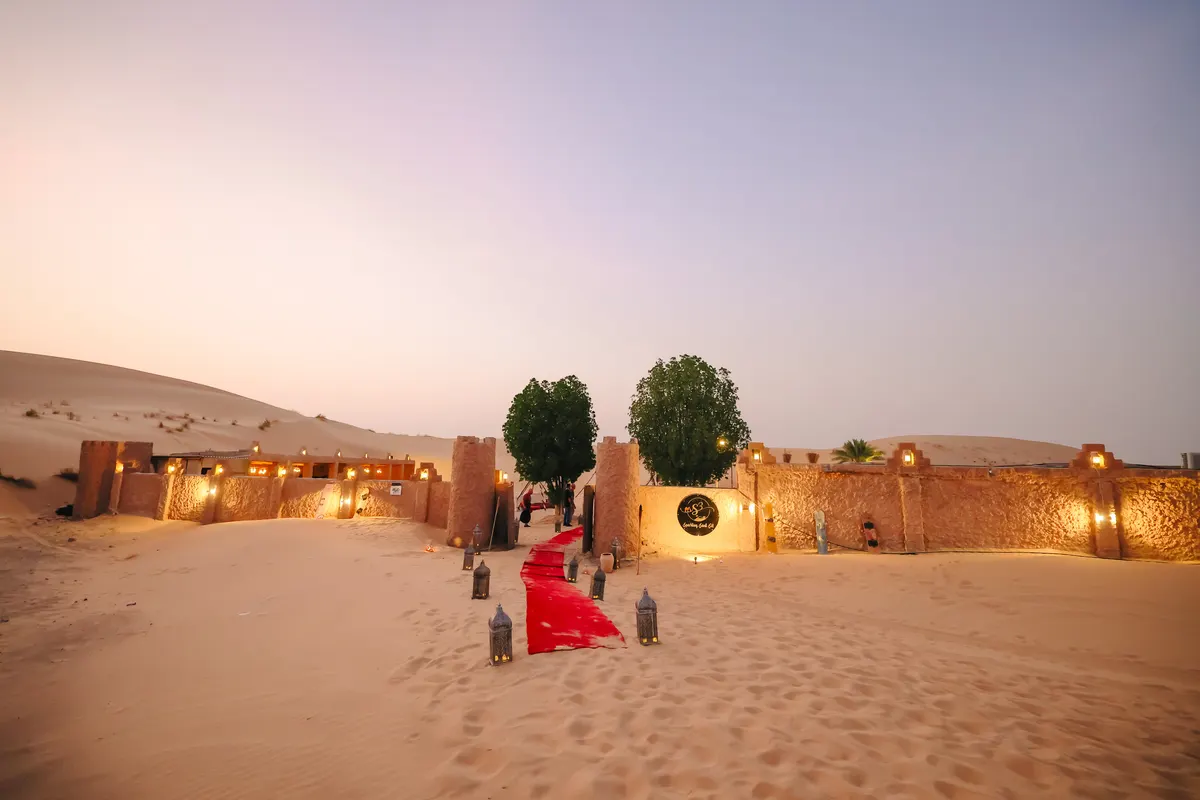
Tabassum founded Sparkling Sandset in 2012 and has run the Al Khatim camp through more than 500 private weddings, celebrations and cultural events since. She writes about the celebration and hospitality side of the business: weddings, birthdays, cultural programming and what it actually takes to host a private desert night well.